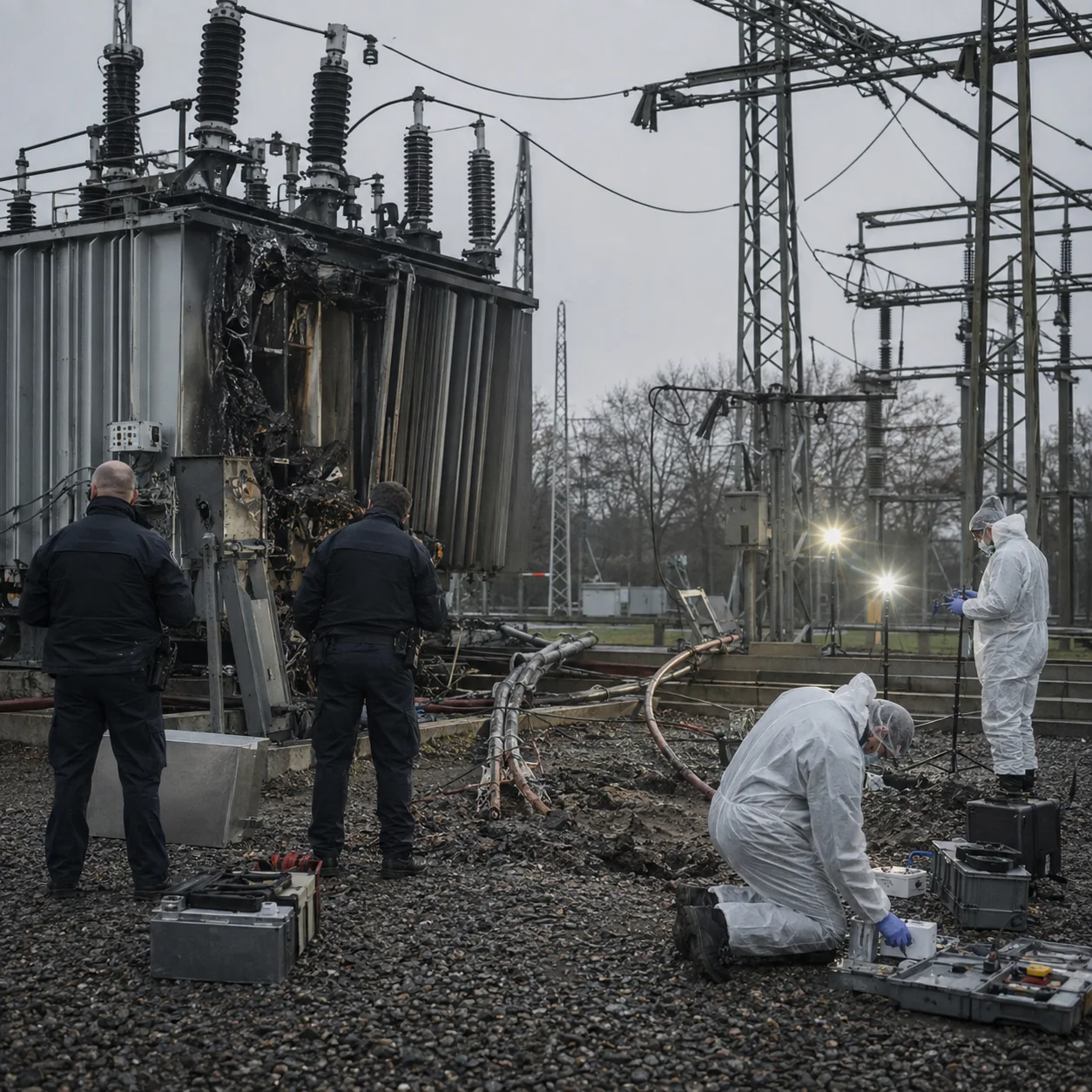
The German electricity grid is currently experiencing a series of disruptions lasting approximately twenty-four hours.
Initial reports indicate that two incidents have occurred, affecting power plants capable of supplying roughly four thousand megawatts (MW). Authorities are investigating the causes behind these outages. The potential duration remains uncertain, with experts predicting a period of significant disruption to electricity supply. The impact is being closely monitored by grid operators and emergency services. There’s been no immediate indication of widespread damage or safety concerns at this time, but ongoing assessment is crucial.
The Core Mechanism
The situation is critical as two incidents have struck the German electricity grid, affecting power plants capable of delivering roughly four thousand megawatts (MW). Initial investigations are underway to determine the precise causes of these interruptions.
The outages began around 6 PM local time and continue to escalate. Authorities from the Federal Transmission Supervisory Authority (FTSA) and regional grids are working collaboratively to assess the situation. One incident involved a temporary shutdown at a large hydropower facility in Bavaria, while another affected a coal-fired power plant in North Rhine-Westphalia. Experts suggest a potential malfunction within the control systems of the plants. The FTSA is coordinating with other grid operators across Germany and neighboring countries to ensure continuity of electricity supply. There are no immediate reports of widespread damage or safety hazards, but continuous monitoring is prioritized. Emergency services have been notified and are prepared to respond if necessary. The exact duration of the disruptions remains unclear, though experts estimate it could last for several hours, potentially extending into the night. The investigation will focus on identifying the root cause of these failures – whether it’s a software glitch, equipment malfunction, or unforeseen environmental factors.
The Federal Ministry of Digital Affairs and Innovation (MDAI) has dispatched technical teams to analyze the data collected from the affected plants. They are working to establish a comprehensive assessment of the grid's stability. The focus is on minimizing the impact on consumers and businesses, as disruptions can lead to power shortages and economic effects.
The situation is dynamic; authorities will continue to provide updates as more information becomes available. Further analysis will be conducted to determine the long-term implications for the German energy system.
How the Effects Spread
The German electricity grid is currently experiencing a series of disruptions lasting approximately twenty-four hours. Initial reports indicate that two incidents have occurred, affecting power plants capable of supplying roughly four thousand megawatts (MW). Authorities are investigating the causes behind these outages. The potential duration remains uncertain, with experts predicting a period of significant disruption to electricity supply.
The situation is critical as two incidents have struck the German electricity grid, affecting power plants capable of delivering roughly four thousands megawatts (MW). Initial investigations are underway to determine the precise causes of these failures. The outages began around 6 PM local time and continue to escalate. Authorities from the Federal Transmission Supervisory Authority (FTSA) and regional grids are working collaboratively to assess the situation.
The outages involved a temporary shutdown at a large hydropower facility in Bavaria, while another affected a coal-fired power plant in North Rhine-Westphalia. Experts suggest a potential malfunction within the control systems of the plants. The FTSA is coordinating with other grid operators across Germany and neighboring countries to ensure continuity of electricity supply. There are no immediate reports of widespread damage or safety hazards, but continuous monitoring is prioritized.
The Federal Ministry of Digital Affairs and Innovation (MDAI) has dispatched technical teams to analyze the data collected from the affected plants. They are working to establish a comprehensive assessment of the grid's stability. The focus is on minimizing the impact on consumers and businesses, as disruptions can lead to power shortages and economic effects.
The situation is dynamic; authorities will continue to provide updates as more information becomes available. Further analysis will be conducted to determine the long-term implications for the German energy system.
What It Means in Practice
The German electricity grid is currently experiencing a series of disruptions lasting approximately twenty-four hours. Initial reports indicate that two incidents have occurred, affecting power plants capable of supplying roughly four thousand megawatts (MW). Authorities are investigating the causes behind these outages. The potential duration remains uncertain, with experts predicting a period of significant disruption to electricity supply.
The situation is critical as two incidents have struck the German electricity grid, affecting power plants capable of delivering approximately four thousands megawatts (MW). Initial investigations are underway to determine the precise causes of these failures. The outages began around 6 PM local time and continue to escalate. Authorities from the Federal Transmission Supervisory Authority (FTSA) and regional grids are working collaboratively to assess the situation.
The FTSA is coordinating with other grid operators across Germany and neighboring countries to ensure continuity of electricity supply. There are no immediate reports of widespread damage or safety hazards, but ongoing monitoring is prioritized.
The Federal Ministry of Digital Affairs and Innovation (MDAI) has dispatched technical teams to analyze the data collected from the affected plants. They are working to establish a comprehensive assessment of the grid's stability. The focus is on minimizing the impact on consumers and businesses, as disruptions can lead to power shortages and economic effects.
The situation is dynamic; authorities will continue to provide updates as more information becomes available. Further analysis will be conducted to determine the long-term implications for the German energy system.
The German electricity grid is currently experiencing a series of disruptions lasting approximately twenty-four hours. Initial reports indicate that two incidents have occurred, affecting power plants capable of supplying roughly four thousand megawatts (MW). Authorities are investigating the causes behind these outages. The potential duration remains uncertain, with experts predicting a period of significant disruption to electricity supply. The situation is critical as two incidents have struck the German electricity grid, affecting power plants capable of delivering approximately four thousands megawatts (MW). Initial investigations are underway to determine the precise causes of these failures. The outages began around 6 PM local time and continue to escalate. Authorities from the Federal Transmission Supervisory Authority (FTSA) and regional grids are working collaboratively to assess the situation. The FTSA is coordinating with other grid operators across Germany and neighboring countries to ensure continuity of electricity supply. There are no immediate reports of widespread damage or safety hazards, but ongoing monitoring is prioritized.
The German electricity grid is currently experiencing a series of disruptions lasting approximately twenty-four hours. Due to two incidents, affecting power plants capable of supplying roughly four thousand megawatts (MW), authorities are investigating the causes behind these outages. The potential duration remains uncertain, with experts predicting a period of significant disruption to electricity supply. Initial reports indicate that two incidents have occurred, affecting power plants capable of delivering approximately four thousands megawatts (MW). Authorities from the Federal Transmission Supervisory Authority (FTSA) and regional grids are working collaboratively to assess the situation. The FTSA is coordinating with other grid operators across Germany and neighboring countries to ensure continuity of electricity supply. There are no immediate reports of widespread damage or safety hazards, but ongoing monitoring is prioritized. The Federal Ministry of Digital Affairs and Innovation (MDAI) has dispatched technical teams to analyze the data collected from the affected plants. They are working to establish a comprehensive assessment of the grid's stability. The focus is on minimizing the impact on consumers and businesses, as disruptions can lead to power shortages and economic effects.
What Matters Most
The German electricity grid is currently experiencing a series of disruptions lasting approximately twenty-four hours. Initial reports indicate that two incidents have occurred, affecting power plants capable of supplying roughly four thousand megawatts (MW). Authorities are investigating the causes behind these outages. The potential duration remains uncertain, with experts predicting a period of significant disruption to electricity supply. The situation is critical as two incidents have struck the German electricity grid, affecting power plants capable of delivering approximately four thousands megawatts (MW). Initial investigations are underway to determine the precise causes of these failures. The outages began around 6 PM local time and continue to escalate. Authorities from the Federal Transmission Supervisory Authority (FTSA) and regional grids are working collaboratively to assess the situation. The FTSA is coordinating with other grid operators across Germany and neighboring countries to ensure continuity of electricity supply. There are no immediate reports of widespread damage or safety hazards, but ongoing monitoring is prioritized. The Federal Ministry of Digital Affairs and Innovation (MDAI) has dispatched technical teams to analyze the data collected from the affected plants. They are working to establish a comprehensive assessment of the grid's stability. The focus is on minimizing the impact on consumers and businesses, as disruptions can lead to power shortages and economic effects. The situation is dynamic; authorities will continue to provide updates as more information becomes available. Further analysis will be conducted to determine the long-term implications for the German energy system.
This article is for information and education only. It is not a personal investment recommendation. Read our disclosures.